Abstract
As artificial intelligence accelerates technological progress, the semiconductor industry has become one of the defining forces of contemporary innovation. Yet behind every increasingly intelligent device lies a complex manufacturing ecosystem whose performance depends not only on advanced machinery, but also on the often-invisible chemical processes that enable precision, efficiency, and reliability.
UDM Systems, a North Carolina–based company specialising in chemical engineering solutions for semiconductor manufacturing, operates within this critical yet rarely visible dimension of technological innovation. Its engineered fluids support and optimise demanding manufacturing processes, where microscopic interactions can have significant consequences for production performance. As global demand for semiconductor technologies intensifies, understanding, communicating, and continuously improving these processes becomes increasingly important.
This research emerged from a two-week investigation conducted at the UDM Systems laboratory in North Carolina, exploring a central question: Can network science serve as a universal language for understanding unfamiliar scientific systems, while visual science translates their invisible mechanisms into accessible knowledge?
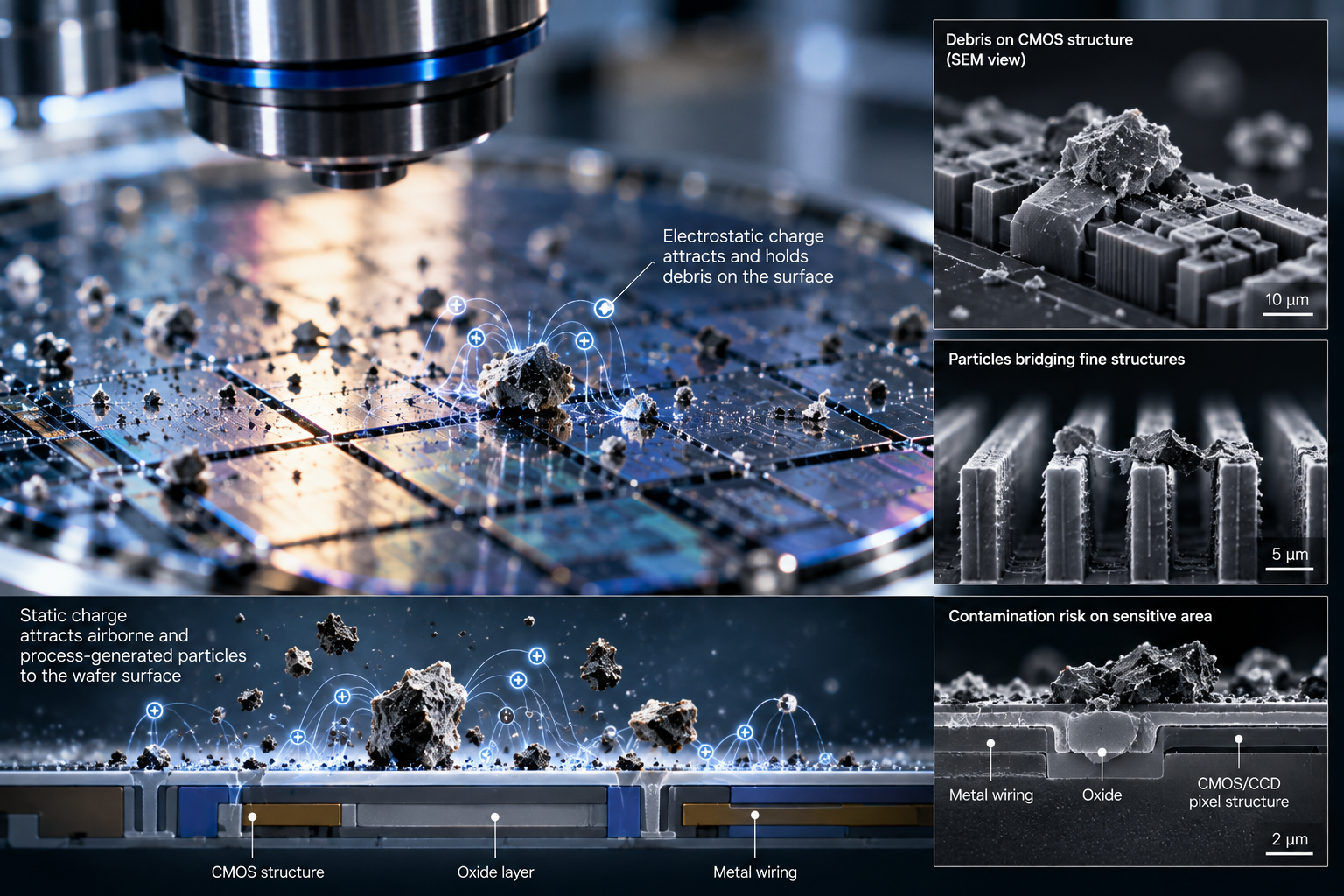
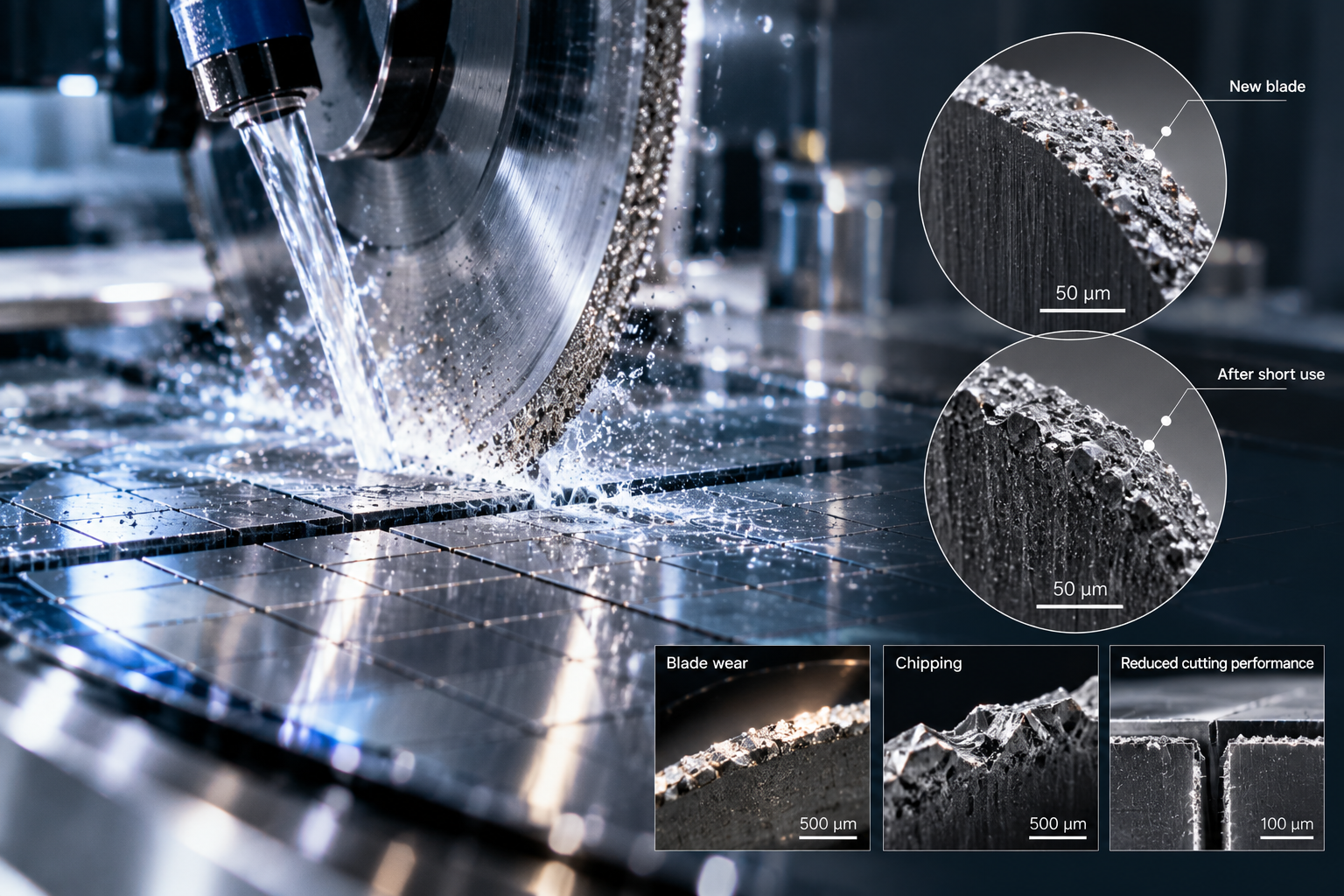
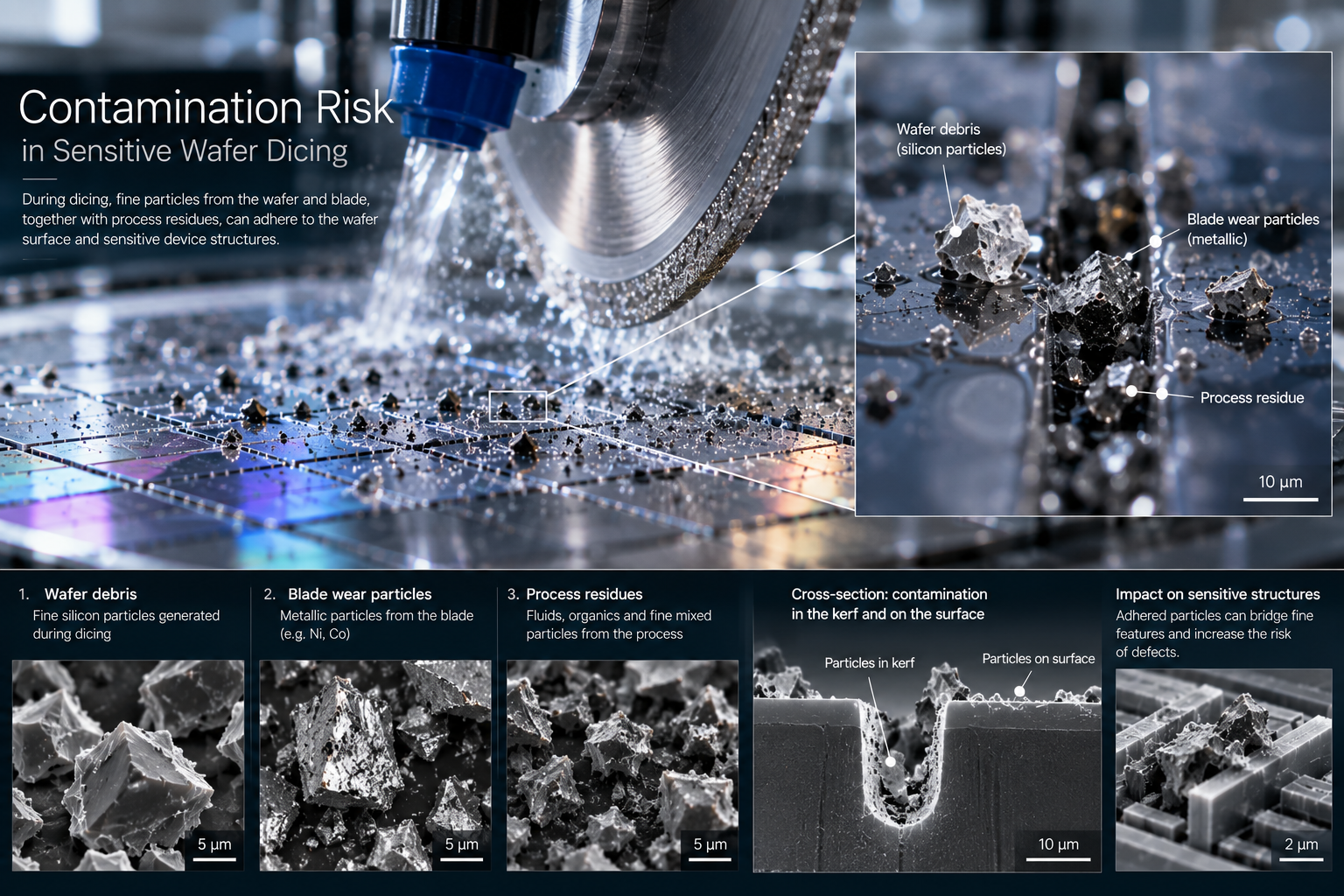
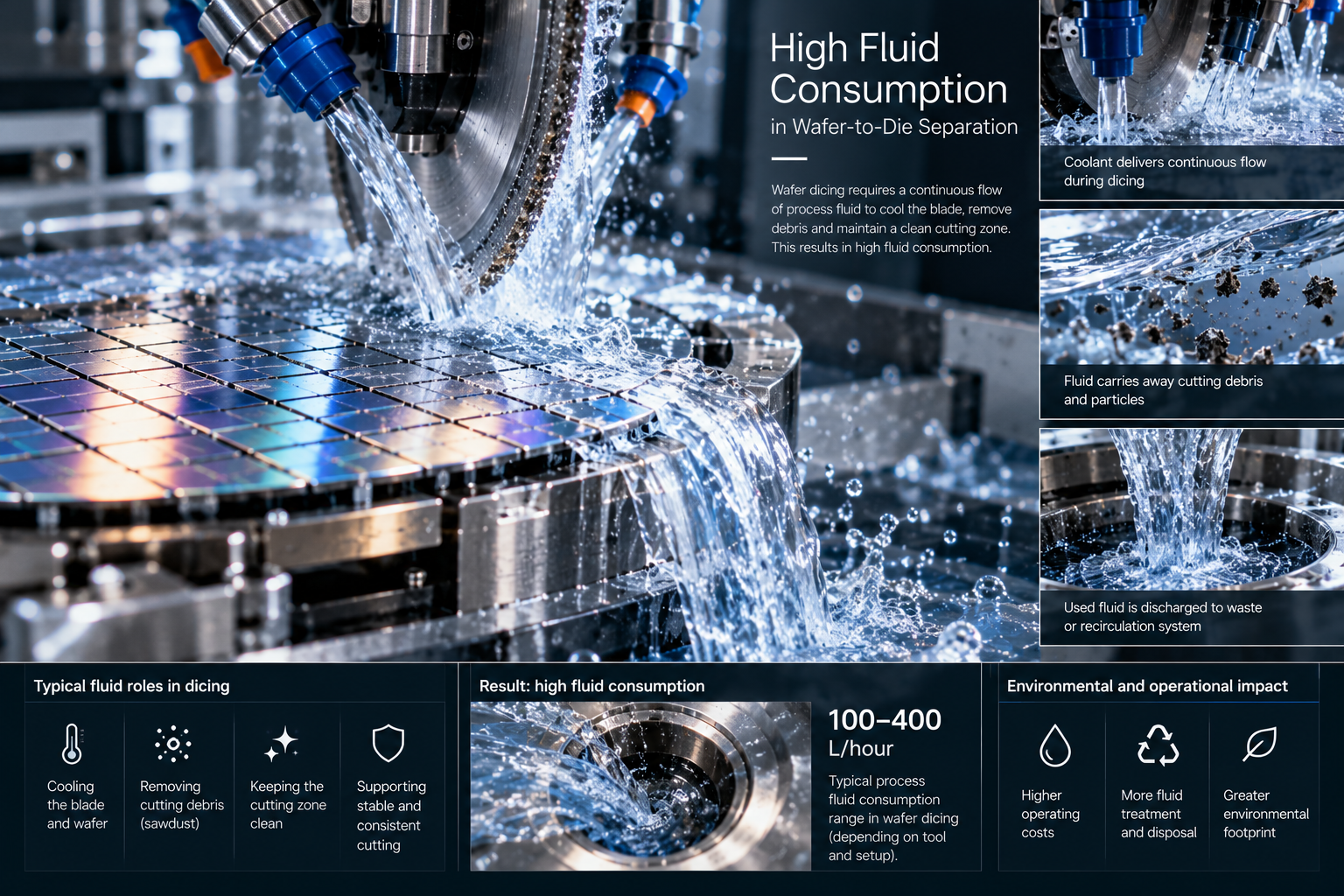
Approaching chemical engineering from an interdisciplinary perspective, the study investigated the relationships between fluid composition, chemical mechanisms, process conditions, and manufacturing performance. Network science provided a conceptual framework for identifying connections, dependencies, and dynamic interactions within these complex systems. Visual science, informed by artistic cognition and design thinking, subsequently transformed this understanding into visual representations intended to make otherwise imperceptible processes comprehensible.
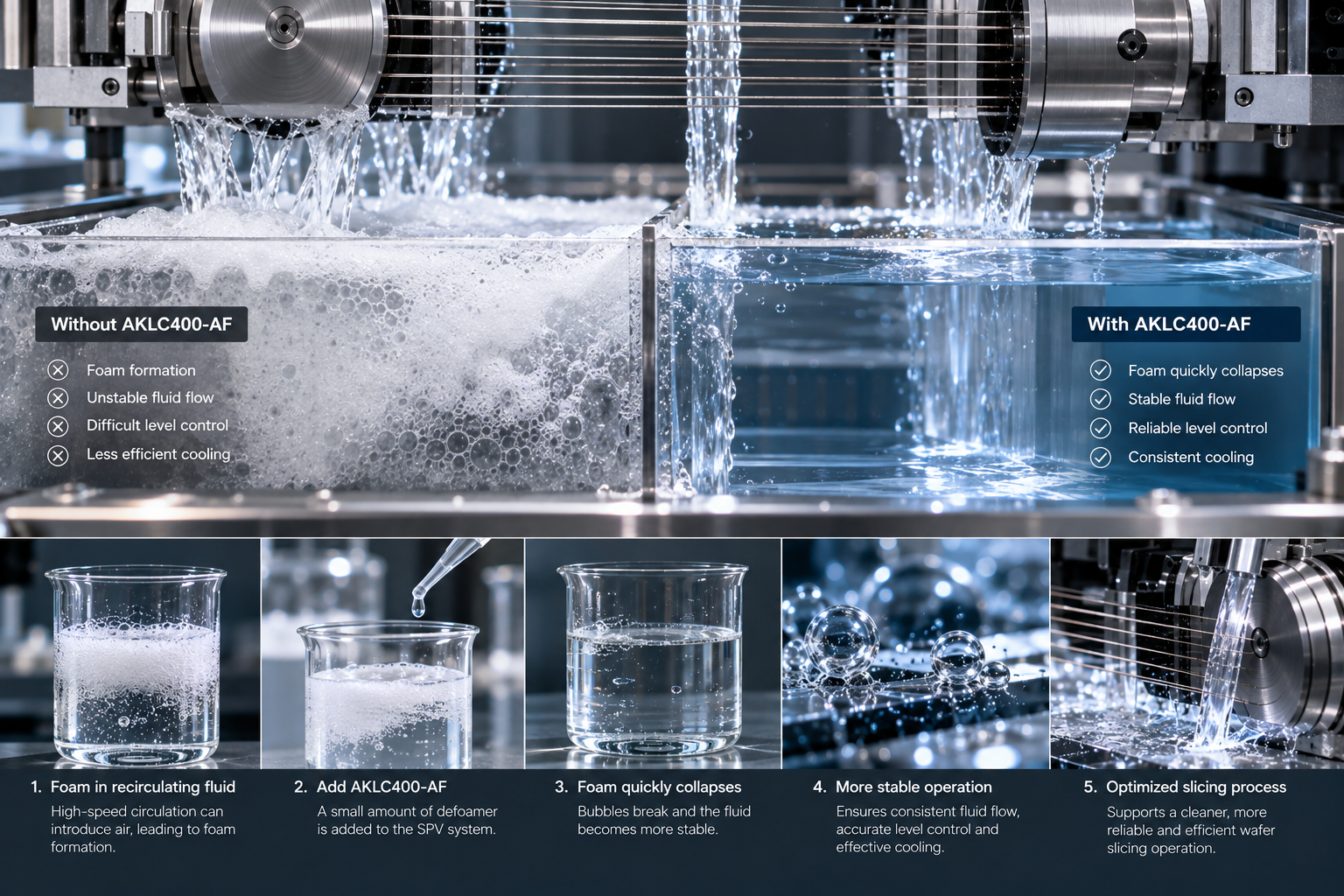
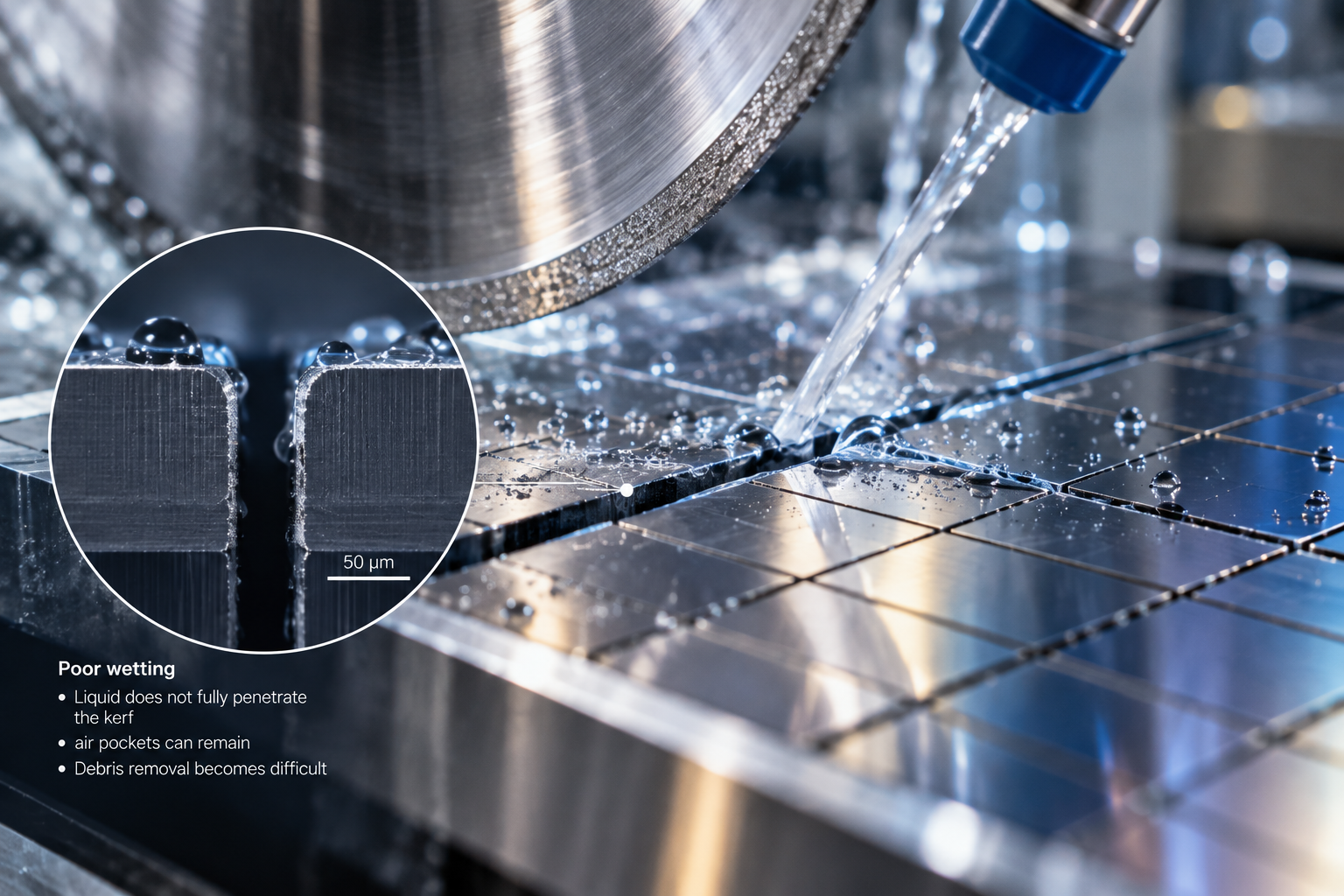
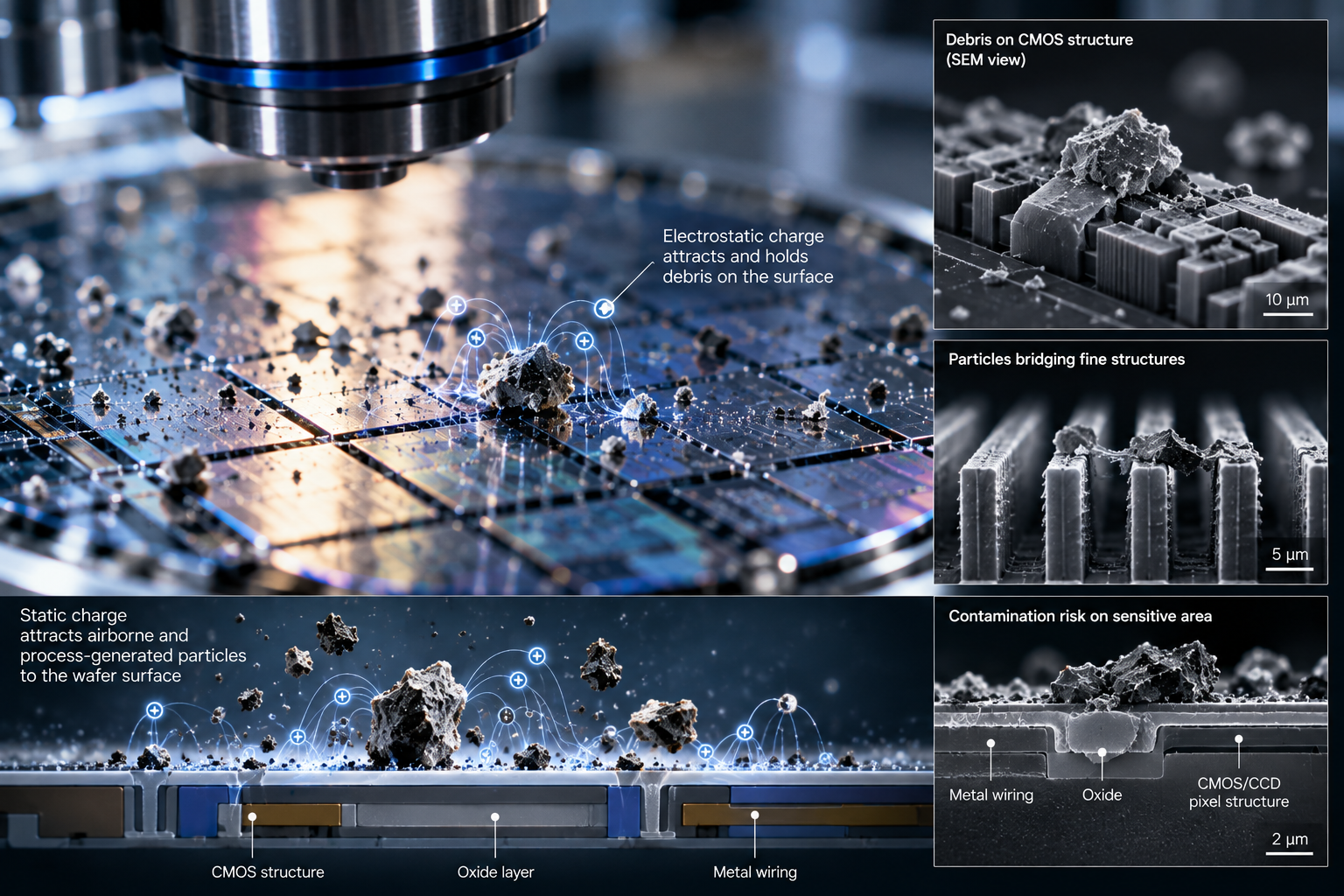
The research addressed a growing challenge in highly specialised industries: the gap between scientific expertise and the ability of customers, collaborators, and interdisciplinary stakeholders to understand technological performance. As a practical outcome, a visual science library was developed to support product education, scientific communication, and a more intuitive understanding of chemical engineering processes.
Beyond its immediate industrial application, the project proposes a broader interdisciplinary methodology in which network science functions as a bridge between knowledge domains, art acts as a catalyst for cognitive exploration, and design becomes the medium through which complex scientific knowledge is translated and communicated.
Ultimately, the research asks whether the future of innovation depends not only on producing increasingly sophisticated technologies, but also on developing new ways of making their complexity visible, understandable, and transferable across disciplinary boundaries.
Keywords: Network Science · Visual Science · Chemical Engineering · Semiconductor Manufacturing · Interdisciplinary Research · Knowledge Translation · Art–Science–Design Integration
Email: floravattay@gmail.com